No products in the cart.








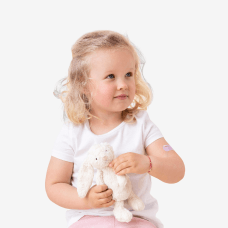




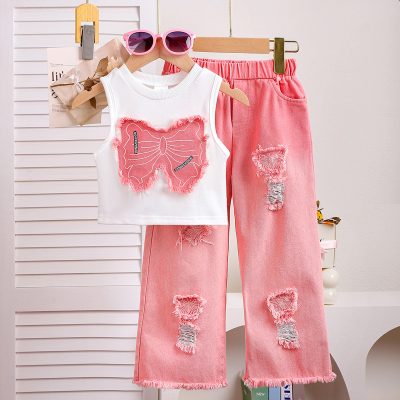
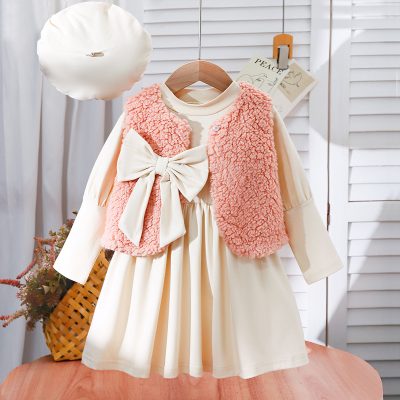
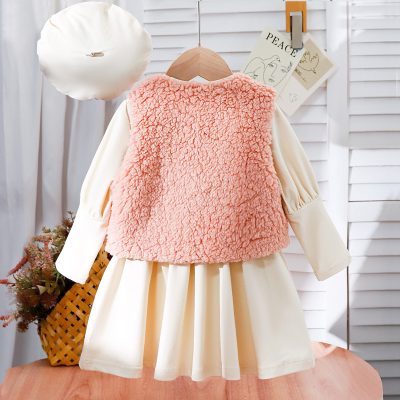
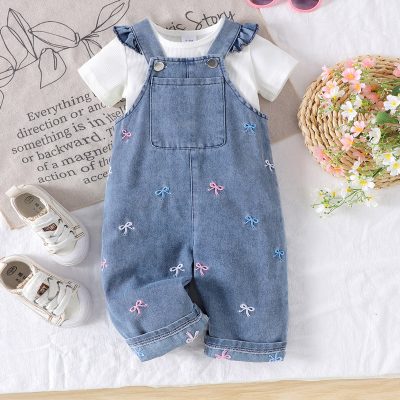
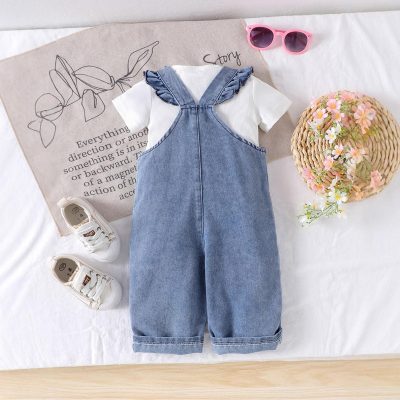
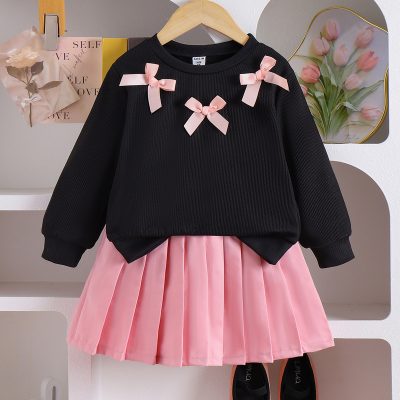
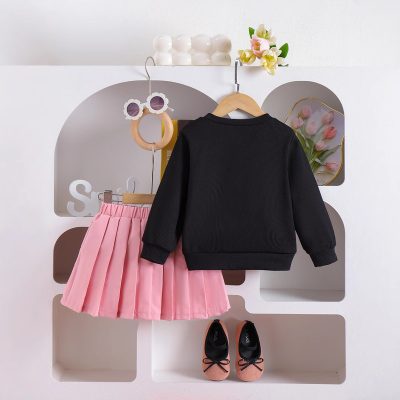
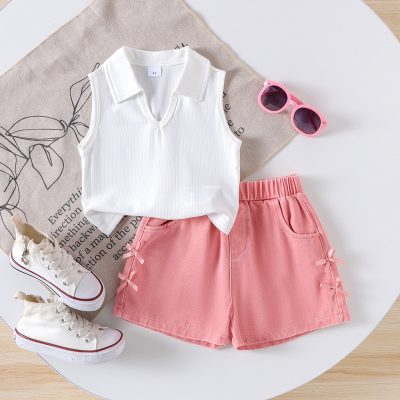
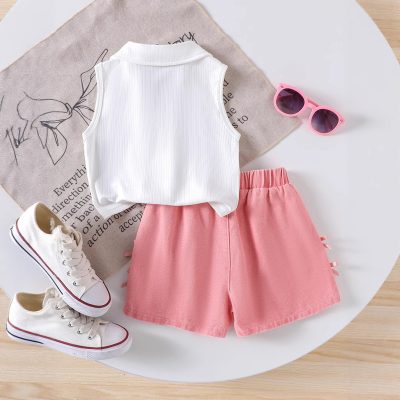
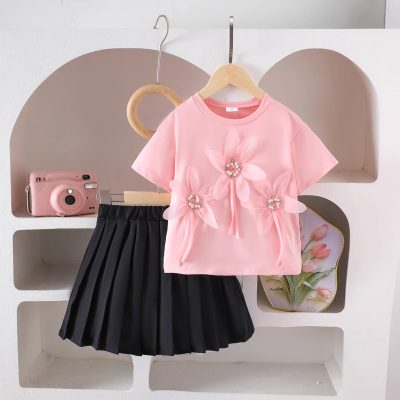
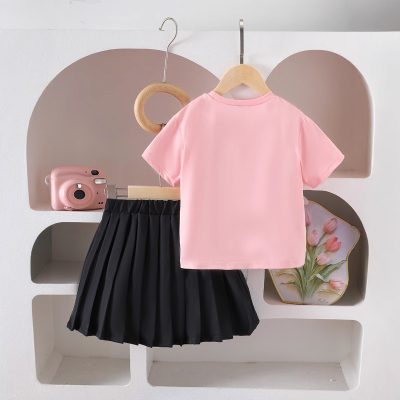
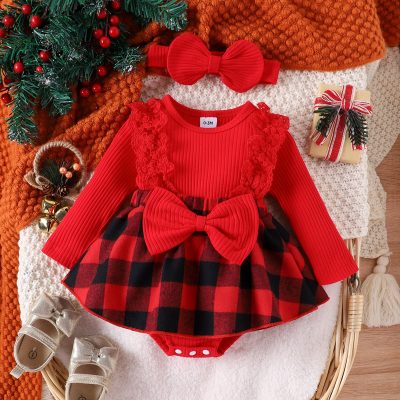
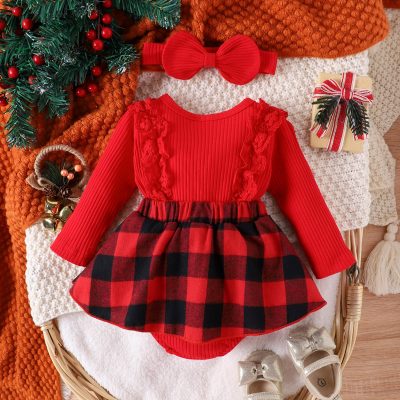
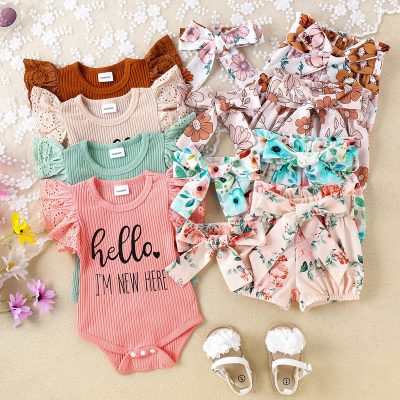
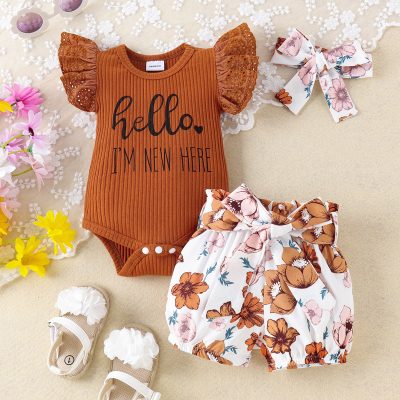
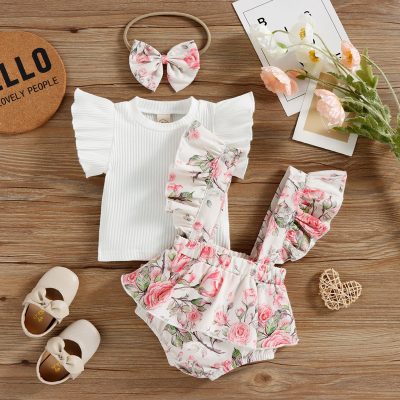
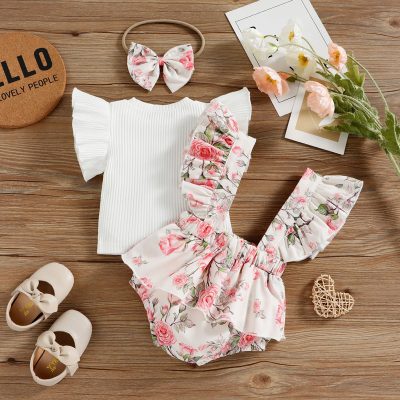

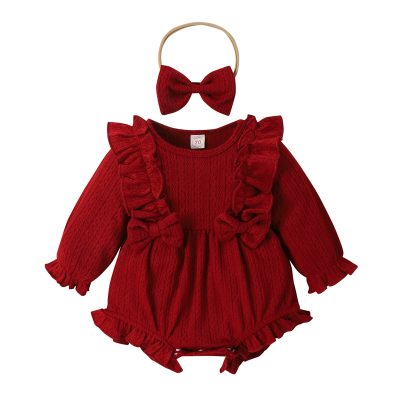
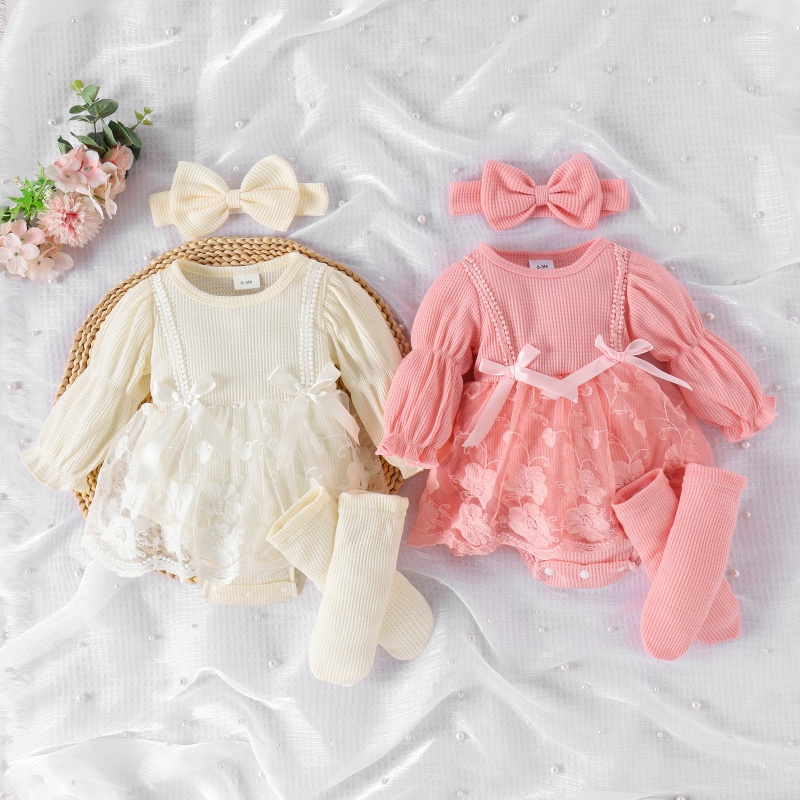



Discover the perfect baby girl clothes for 0-3 months, including cozy rompers, cute dresses, and everyday essentials. Crafted for newborn comfort and adorable style, our collection is ideal for welcoming your little one in fashion.
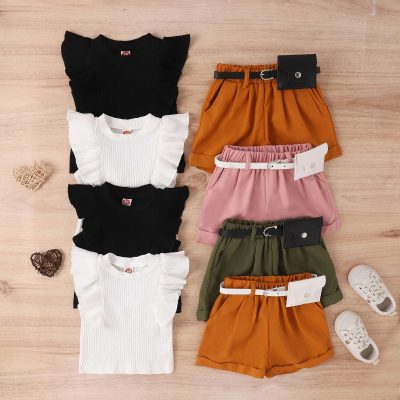
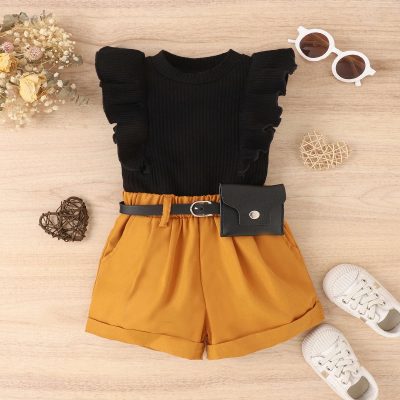
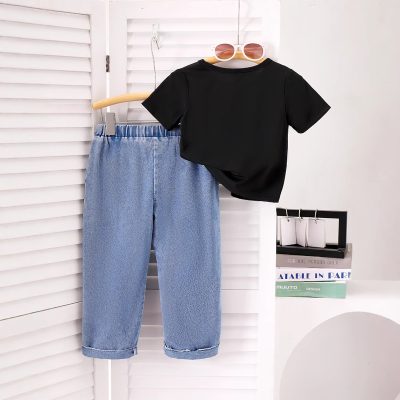

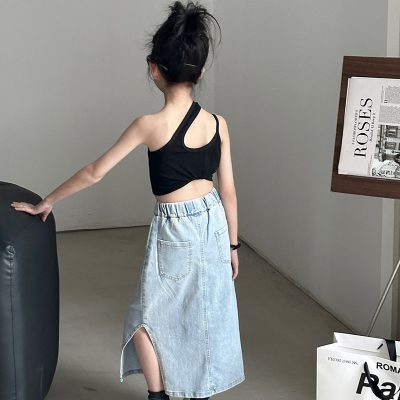
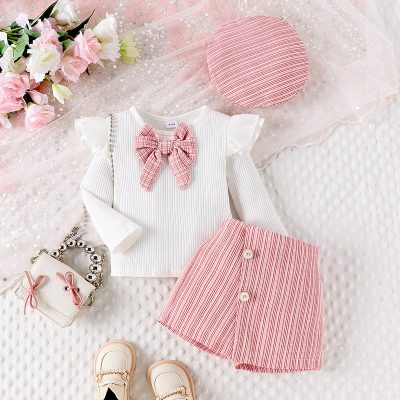
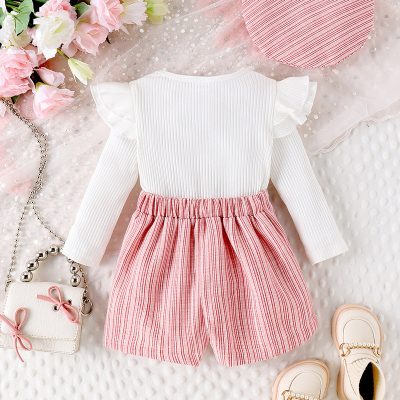

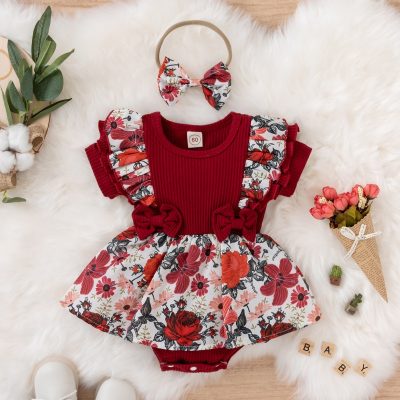
In the hot summer, new parents often worry about how to dress their newborn babies: they are afraid that the baby will get hot and have prickly heat, and they are also worried that the baby will get cold if they wear too little. Although traditional pure cotton rompers are soft, they may be a little thick and stuffy in hot weather or air-conditioned rooms. The “mesh rompers” that have emerged in recent years are regarded as summer blessings by many parents because of their light and breathable fabrics.
However, is it really safer for newborns to wear mesh jumpsuits? Let’s find out. It should be noted that according to the data reported by the State Administration for Market Regulation, the unqualified rate of quality inspections of baby and child clothing products sold online has been rising year by year in the past three years, reaching as high as 20.7%. This means that the safety of baby clothing cannot be taken lightly, and any material and style must be chosen with great caution.

Advantages: breathability and comfort – The biggest selling point of mesh material is its excellent breathability and refreshing wearing experience. Mesh usually refers to thin fabrics with sparse fabrics and mesh-like shapes, which have good air circulation and can help babies dissipate heat. In air-conditioned rooms in summer or high-temperature outdoor environments, mesh rompers are less likely to make babies feel stuffy than thick cotton clothes. Breathable clothes help sweat evaporate and prevent sweat retention from causing skin problems.
Pediatricians point out that prickly heat (heat rash) is often caused by sweat trapped in the skin and unable to dissipate. As long as the clothes are properly adjusted to keep the baby’s skin dry, the prickly heat will improve. Therefore, compared with non-breathable clothes (such as high-chemical fiber fabrics), mesh rompers are cool and dry, which can reduce the risk of babies getting prickly heat and eczema. In addition, many mesh rompers have loose styles, allowing babies to move freely, and the fabric will not stick to the skin after sweating, which helps to avoid rash discomfort.
Potential risks: Material safety hazards – Although mesh rompers are cool, parents are more concerned about whether the materials are safe. First, some low-quality mesh fabrics on the market may have problems such as formaldehyde residues and excessive heavy metals in dyes. Authoritative sampling shows that common problems of unqualified infant and toddler clothing include excessive formaldehyde content, inappropriate pH value, excessive decomposable carcinogenic aromatic amine dyes, and substandard color fastness to dry/wet friction. Chemical residues such as formaldehyde may cause irritation or allergies through skin contact, and when the baby sweats or chews the clothes, the dyes of unqualified color fastness may fall off and stain the skin, causing allergy risks.
For clothes such as mesh that are directly attached to the body and are frequently worn in summer, these chemical safety indicators must meet the standards. Secondly, the workmanship details of the mesh also affect safety. If the seams are rough and there are hard threads, they may rub against delicate skin and cause red marks or even abrasions. Some mothers reported that if the baby clothes they bought did not use the “boneless sewing” process, the seams would have bulges, which would affect comfort when worn. It can be seen that mesh rompers are not naturally safe and secure. Their safety depends on the quality of the material and workmanship. Parents need to weigh the benefits of breathability against these potential risks and ensure quality when purchasing.

To make babies cool, comfortable and safe, parents should pay attention to the following three key points when choosing mesh rompers:
Material safety certification: give priority to infant and toddler clothing that meets Class A national safety standards. Class A standards are the highest safety level for infant textiles under 36 months old, with the most stringent restrictions on formaldehyde, pH value, etc., to ensure that babies can wear them directly next to their bodies. Check the clothing label, which should indicate the implementation standard and safety category as “Infant and toddler products Class A”. It is recommended not to buy products with incomplete or blurred labels.
High cotton content fabrics: pay attention to the fabric composition. Natural fibers such as pure cotton are soft and skin-friendly, non-irritating to sensitive skin, and generally more hygroscopic and breathable. On the contrary, if a large amount of polyester, nylon and other chemical fibers are blended into the mesh romper, the breathability will be reduced, and the baby’s body temperature and sweat will not be easy to dissipate, which will easily cause stuffiness and humidity, which is not good for skin health. Therefore, try to choose a mesh romper made of pure cotton gauze, which has both the breathability of the mesh structure and the safety and comfort of cotton fabrics. Cotton fabrics have good breathability even in professional tests – for example, experimental data show that the air permeability of pure cotton fabrics is about 120-150 CFM (cubic feet per minute), which can effectively help the body dissipate heat and dry. High cotton content can also avoid the risk of allergies caused by chemical fiber materials, making it a safe choice for baby summer clothing.
Safely designed snap accessories: Pay attention to the details of the buttons, snaps, zippers and other accessories of the romper. On the one hand, the crotch snap design should be convenient for frequent opening and closing to change the baby’s diaper; on the other hand, the snaps and buttons themselves must be firm and have no burrs or sharp edges to avoid scratching the baby or falling off and being swallowed by mistake. Experts suggest that parents carefully check whether these small accessories have sharp edges when purchasing, and gently pull to see if they are firmly fixed. It is best to choose a romper with rounded and smooth edges of the snaps. Some brands will have fabric edging at the snaps to further prevent the metal from directly contacting the baby’s skin. A good snap design not only ensures ease of use, but also eliminates the risk of scratches and swallowing.

Indoor air-conditioned room: Mesh rompers are breathable and cool, and are very suitable for constant temperature air-conditioned environments in summer. However, due to the thin fabric, babies may catch a cold if they are in cold air for a long time. It is recommended that parents match a small gauze jacket or belly band to protect the abdomen of newborns wearing mesh rompers in air-conditioned rooms. [For example, experienced mothers will put on a breathable short-sleeved romper and a thin belly band for 0-3 months old summer babies, which is refreshing and not afraid of cold stomach]. You can also prepare a thin blanket or gauze towel when sleeping, and cover the baby’s abdomen and back at any time to prevent cold. Be careful not to set the air conditioner temperature too low, and keep it at around 26~28℃. Only in this way can the mesh romper make the baby sleep comfortably and safely.
Outdoor travel protection: When taking the baby out during the day, although it is cool to wear a mesh romper alone outdoors, you need to consider the sun exposure and environmental stimulation. The mesh material is usually sparsely woven and cannot block ultraviolet rays. The baby’s delicate skin is easily sunburned when directly exposed to the sun. Therefore, when going out, you should add a thin sun-proof clothing or blouse over the mesh romper. Choose breathable cotton, linen or UV-proof materials, which are not too stuffy and can block the sun. At the same time, put on a wide-brimmed sun hat for the baby to protect the head, face and neck skin. [Authoritative dermatology organizations recommend that babies under 6 months old should always wear a sun hat and wear light long-sleeved clothes and pants, covering their arms and legs as much as possible to fully protect against sun damage [37†L1-L4]. In summer, you should also pay attention to preventing mosquito bites outdoors. You can cover the stroller with a layer of mosquito net gauze. In short, mesh rompers should be used with other protective products outdoors to ensure that babies are not harmed by the sun or wind.
Cleaning and care: Mesh rompers are made of thin materials, so special care is required for cleaning and maintenance. It is recommended to wash by hand rather than machine washing and stirring vigorously to avoid damaging the fabric fibers. Use mild neutral baby-specific laundry detergent when washing, and avoid strong detergents and bleach. In fact, newborn clothes are usually not too dirty and can be washed by gentle hand washing; on the contrary, too much detergent residue will irritate the baby’s skin. In addition, it must be washed separately from adult clothes: adult outerwear is often stained with a lot of dust and bacteria, and mixing with baby clothes is prone to cross-contamination, attaching dirt to baby clothes. It is best to dry mesh clothes naturally after washing, and it is not advisable to use high temperature drying to prevent shrinkage and deformation. Since mesh materials are easy to hook lines, you should also be careful to avoid sharp objects when wearing them daily, and rub them gently and slowly when washing to reduce damage to the fabric. Careful cleaning and care can extend the service life of the romper and ensure the hygiene and safety of the baby’s clothing.
Mesh rompers have many advantages, but they are not suitable for all situations. Parenting experts remind that parents should choose carefully in the following two situations:
Sensitive skin or eczema babies: For babies with particularly sensitive skin and recurrent neonatal eczema (atopic dermatitis), try to avoid letting them wear clothes made of chemical fiber or coarse yarn such as mesh directly. The skin barrier function of such babies is damaged and they are more susceptible to external stimuli. The safest choice is to use 100% natural materials such as cotton or silk all year round, and avoid direct contact between artificial fibers and wool products and the skin of children.
Pure cotton clothes are soft and breathable, will not aggravate the itching of eczema due to friction, and have good sweat absorption performance, which can reduce sweat accumulation and reduce the risk of infection. On the contrary, if mesh contains chemical fiber components, the breathability and touch may not be as good as pure cotton, which is a potential irritation to eczema skin. Therefore, sensitive skin babies should give priority to cotton gauze clothes as a base, and then wear one less piece in a ventilated environment as needed to dissipate heat, rather than relying on chemical fiber mesh fabrics to cool down.
Nighttime sleep period: Newborns like to kick the quilt when sleeping. Sleeping alone in a mesh romper may cause cold due to the lower temperature at night or kicking off the quilt. Since the mesh is thin and has limited warmth retention, it is not recommended for babies to wear mesh rompers without covering the quilt at night. If it is hot on a summer night, you can put a thin sleeping bag or a kick-off robe on the outside while wearing a mesh romper for your baby.
Baby sleeping bags are a good choice. They can replace loose quilts and wrap the baby in a loose “pocket”. Even if the baby kicks his legs and turns over, he will not catch a cold. Many sleeping bags use breathable materials such as cotton yarn, which ensures a constant temperature throughout the night without being too stuffy. In short, sleeping at night requires a balance between warmth and ventilation: the temperature can be raised to about 27℃ in an air-conditioned room, and the baby can wear a mesh romper with a thin sleeping bag to prevent heat rash and cold. If there is no sleeping bag, parents should also check frequently and cover the baby who kicks the quilt with a small blanket in time. Only when the baby sleeps comfortably can adults feel at ease.

In general, as a new trend in summer clothing for newborns, “mesh rompers” have their unique advantages, but also come with some controversy. They are light, breathable, and can give babies a more comfortable experience in hot environments; but at the same time, the safety control of materials and craftsmanship is particularly important, and a little carelessness may bring chemical or physical hazards. For parents, safety and comfort are not a single-choice question, and they can be balanced through scientific choices. We should use mesh rompers flexibly according to the specific situation and scene needs of the baby: choose certified high-quality breathable styles during the hot day to keep the baby cool and not stuffy; when the environment or baby’s condition is not suitable, you can decisively switch back to safer pure cotton clothes or add a warm layer. Remember, no material is absolutely perfect. Only when parents remain vigilant and rational, check the quality of the product when purchasing, and pay attention to the baby’s feedback when using it, can newborns enjoy a comfortable dressing experience and get comprehensive safety protection.
Is mesh rompers a safer choice? The answer depends on our wisdom of choice and how we use them. When we can choose with confidence and wear carefully, the baby’s health and comfort will be best guaranteed. Offline: New parents may wish to pay more attention to the safety information of infant clothing released by authoritative departments and learn the latest knowledge of parenting products. In this way, they can distinguish the authenticity from the propaganda of many merchants and pick out the safe and good products that are truly suitable for their babies. May every baby thrive in an environment that is both safe and comfortable!

Discover the perfect baby girl clothes for 0-3 months, including cozy rompers, cute dresses, and everyday essentials. Crafted for newborn comfort and adorable style, our collection is ideal for welcoming your little one in fashion.
Leave a comment